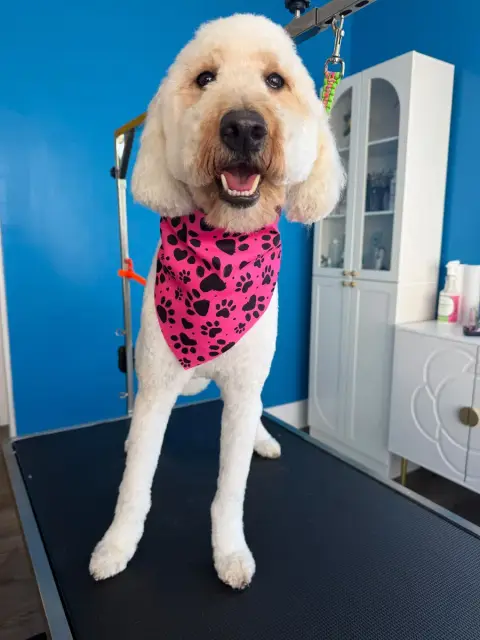
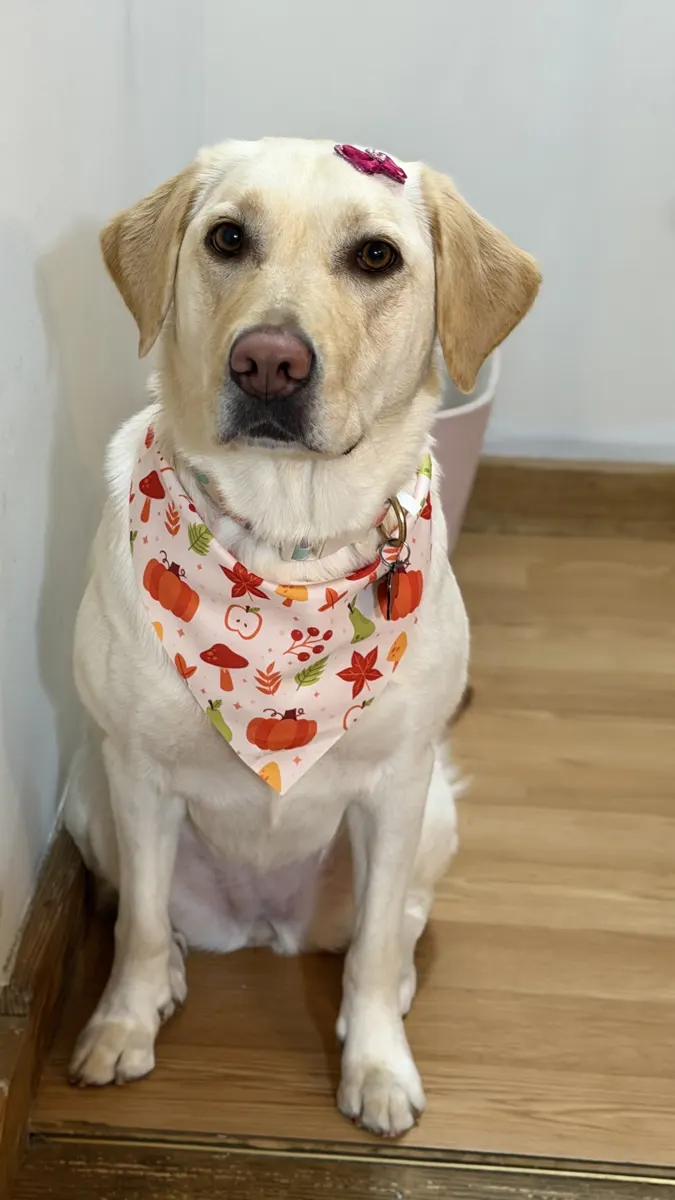
Massachusetts winters are hard on dog coats and paws. Cold, wet snow, slush, freezing rain and salted roads and sidewalks all add up. Around Westborough and the surrounding towns, most dogs still get their daily walks through it, which is exactly why winter grooming matters. The goal is not a different routine so much as a more careful one.
Why winter grooming matters
Many owners skip grooms in winter, thinking a longer coat will keep their dog warmer. The problem is that a long coat that gets wet and is not brushed turns into mats, and mats do the opposite of what you want: they hold moisture against the skin, pull painfully, and insulate poorly. A clean, brushed coat traps warm air much better than a packed, tangled one.
Winter also brings dry indoor heat, less outdoor exercise (which can mean longer nails), and paws that take a beating from salt and ice.
Paw care for snow, ice and road salt
Road salt and ice melt
Road salt and chemical ice melt are used widely in Massachusetts towns, on roads, sidewalks and parking lots. They can dry and crack paw pads and irritate the skin between the toes. Dogs also lick their paws, which means swallowing whatever is on them.
After walks on treated surfaces:
- Wipe or rinse paws with lukewarm water
- Dry thoroughly, including between the toes
- Check for cracks, redness or small cuts
A paw balm can help protect dry pads. If you see bleeding, limping, swelling or a paw your dog keeps licking, check with your veterinarian.
Snowballs between the toes
Long hair between the pads collects snow, which packs into hard ice balls. They are uncomfortable and can make dogs limp or chew at their feet. Keeping the hair between the pads trimmed short and the feet tidy greatly reduces this. Every full groom at Stardog Grooming includes a trim, and feet are part of that.
Nails
Dogs often walk less on pavement in winter, so nails do not wear down as much. Long nails make it harder to grip on ice and can change how a dog stands. Plan on a nail trim every few weeks through winter. Our guide on how often to trim dog nails explains what to look for.
Coat care through the winter
Brush more, not less
Wet snow and slush soak into the legs, belly and chest, then the coat dries in clumps. Brushing after snowy walks, especially on doodles, poodle mixes, spaniels and long-coated small breeds, prevents most winter matting. Sweaters and coats help some dogs stay warm, but they rub and can cause mats along the harness and sweater lines, so brush those areas too.
See doodle coat care between grooms for a full brushing routine.
Choosing a winter haircut length
| Coat type | Winter suggestion |
|---|---|
| Doodles, poodles, curly coats | Moderate length you can brush to the skin; shorter legs and feet to reduce snowballs |
| Shih Tzu, Yorkie, Maltese | Moderate puppy cut, tidy feet, consider a sweater for cold walks |
| Double coats (husky, Bernese, golden) | Keep the full coat, no shave-downs; tidy the feet and feathering |
| Short coats (lab) | No haircut needed; regular baths and brushing |
Double-coated breeds are built for cold, but only when the undercoat is clean and not packed down. Our guide to de-shedding double-coated dogs explains why.
Dry skin and static
Indoor heating dries the air, and many dogs get dry, flaky skin or static-filled coats in winter. Brushing distributes natural oils. A conditioning coat treatment, like our keratin coat treatment, can help coats that feel dry and rough. Persistent itching, redness, scabs or hair loss are reasons to see your veterinarian, since those can be signs of allergies or other skin conditions.
Baths in winter
Dogs still need baths in winter, especially after slush and salt. The key is drying:
- Bathe with lukewarm water
- Dry fully to the skin with a dryer, not just a towel
- Do not let a dog go outside with a damp coat in freezing weather
- Brush while drying to prevent mats
At the salon, dogs are fully dried before they go home, which is one reason many owners prefer professional baths during the coldest months.
Planning appointments around winter weather
Winter weather can make driving slower, so give yourself extra time. If a storm affects your appointment, contact the salon to reschedule. On the day, bring a towel for the car ride home so your freshly groomed dog stays clean and dry.
When to book a groomer
Keep your usual grooming interval through winter, and book sooner if you find mats after snowy weeks. Small dogs up to 20 lb use the small dog full groom; larger dogs are listed on the services page. If mats have built up under a sweater or harness, add dematting. For nails between grooms, a nail trim takes about 15 minutes.
Frequently asked questions
Should I let my dog's coat grow long for winter?
A bit of extra length can be fine, but a long coat that is not brushed mats quickly in wet snow, and a matted coat insulates poorly. A moderate length you can keep brushed is usually best.
Is road salt bad for dogs' paws?
Road salt and ice melt can dry and irritate paw pads and can upset a dog's stomach if licked off. Rinse or wipe paws after walks on treated surfaces.
Is it OK to bathe my dog in winter?
Yes, as long as your dog is dried completely before going outside. A damp coat in freezing weather chills a dog quickly and also tends to mat.
Do dogs need booties in winter?
Some dogs do well with booties on salted sidewalks or in deep snow, especially small dogs or dogs with sensitive paws. Introduce them slowly at home first.
Why is my dog's skin flaky in winter?
Dry indoor heat and cold outdoor air can dry out skin. Regular brushing helps distribute natural oils, but persistent flaking, itching or redness should be checked by a veterinarian.